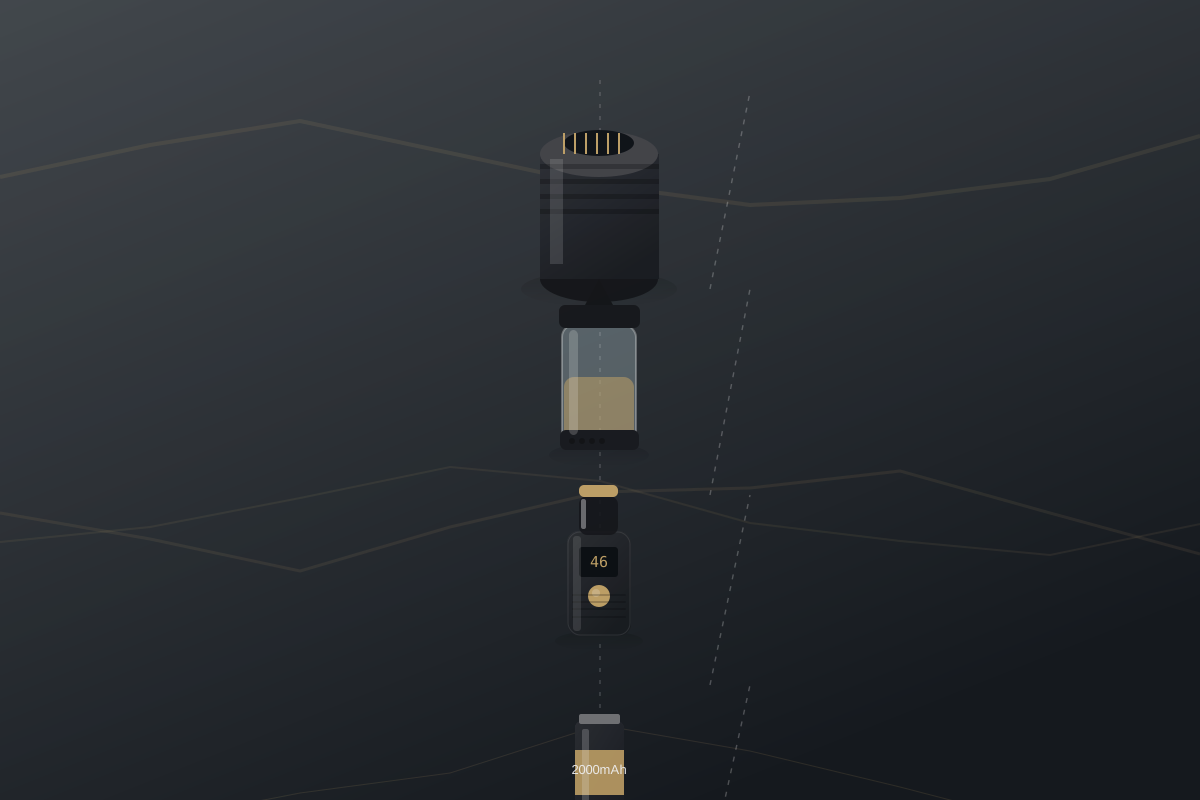
Affordable RELX devices in Trinidad (1200 mAh)
RELX devices advice for Trinidad, covering runtime, what to look for and where the trade-offs actually sit.
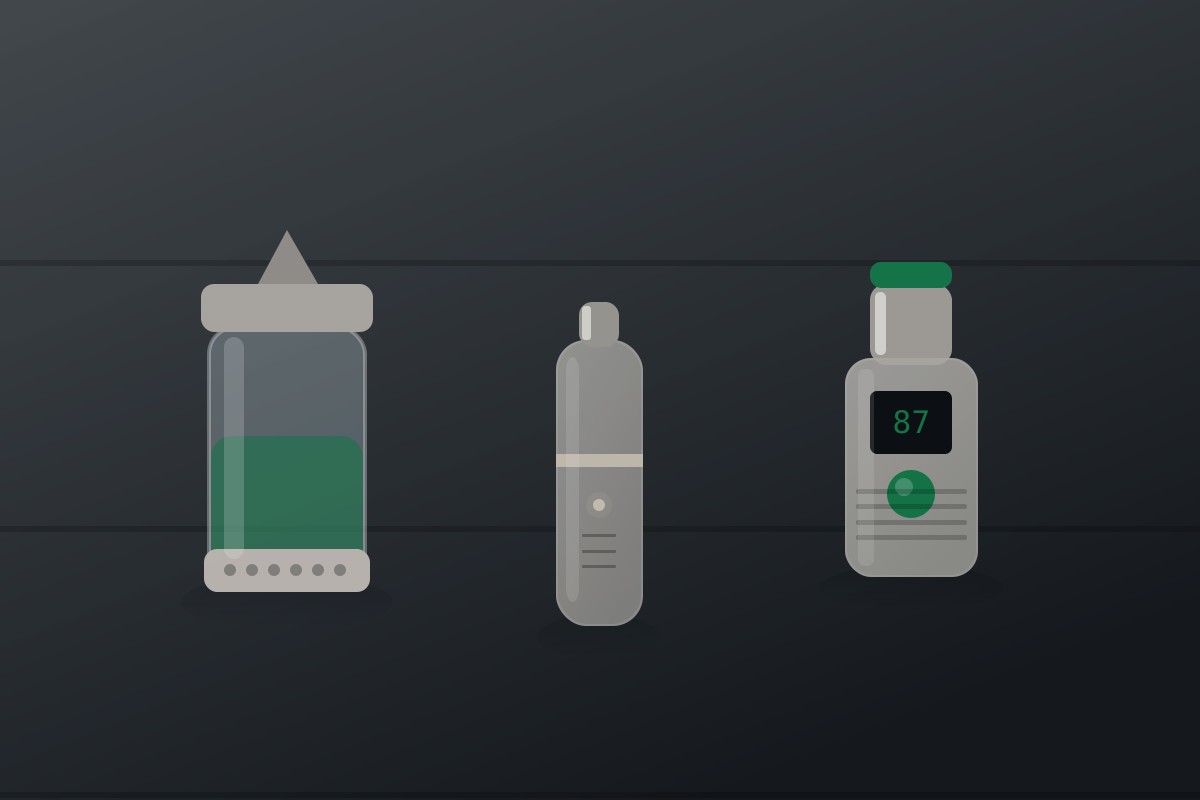
Local availability in Trinidad shapes the practical answer more than the marketing does. Expect roughly 1031 full puffs from a charge at 20 mg/ml, based on average session length in our testing.
Anyone who has compared relx devices options in Trinidad quickly learns that specification lists only tell part of the story. Expect roughly 1031 full puffs from a charge at 20 mg/ml, based on average session length in our testing.
In Trinidad, availability of the 1.5 Ω regular coil is the practical bottleneck, not the device itself. The silicone tip mouthpiece is comfortable over long sessions and resists the condensation that gathers on narrower tips. Comparing this against a 70:30 PG/VG setup shows the difference clearly: one favours flavour, the other favours volume.
Charging over Type-C fast charge takes about 81 from empty, and the pass-through means the device can be used while plugged in on the smaller batteries. Two things to check before ordering: the Type-C fast charge socket on the base and whether the 1.5 Ω regular coil is the newer generation. Battery behaviour is where the Deng SQ200 earns its keep: the 4000 mAh cell holds a usable charge for most of a day at 60 and recharges over Type-C fast charge.
The 1.6 ml capacity is a genuinely useful middle ground: enough liquid for a long session without turning the device into a pocket problem. We would pair the Deng SQ200 with a 70:30 PG/VG liquid, which is where the balance between throat hit and cloud density sits most comfortably. Replacement coils are widely available, and the 1.5 Ω regular coil is the sensible default to keep in stock.
The build quality on Deng SQ200 is a step above most of what sits in the same price bracket, and the finish resists the chipping that usually shows after a few months of pocket carry. Build quality is the quiet differentiator here, with tight seams and a connector that has not loosened after repeated removal. Charging over Type-C fast charge takes about 81 from empty, and the pass-through means the device can be used while plugged in on the smaller batteries.
Delivery across Trinidad is typically two to four working days with tracked dispatch, and returns are straightforward within the standard window. Flavour tracking stays consistent from the first day to roughly the 1.5 Ω regular mark before the profile flattens and a swap makes sense. Build quality is the quiet differentiator here, with tight seams and a connector that has not loosened after repeated removal.
The instruction booklet is thin, but the diagrams are clear enough that most people set the device up without further help. If you take one thing from this page, make it the coil compatibility check. A device that needs a coil you cannot source locally becomes an expensive ornament within a month. In Trinidad, availability of the 1.5 Ω regular coil is the practical bottleneck, not the device itself.
Specifications
The specification sheet is where the real trade-offs show.
| Reference model | Deng SQ200 |
|---|---|
| Brand family | Freemax |
| Battery capacity | 4000 mAh |
| Power range | 60 W |
| Liquid capacity | 1.6 ml |
| Coil | 1.5 Ω regular |
| Bottle size | 30 ml |
| Liquid ratio | 70:30 PG/VG |
| Nicotine strength | 20 mg/ml |
| Material | zinc alloy |
| Charge port | Type-C fast charge |
| Connector | Q-Plus |
| Airflow | dual bottom |
| Mouthpiece | silicone tip |
Flavour and performance notes
A representative profile is Lemon Lime Soda: citrusy, crisp, described as zesty lemon over lime with gentle carbonation. On a 70:30 PG/VG ratio this reads clearly on the first day and holds its character to roughly the 1.5 Ω regular mark before the coil begins to mute it.
Practical considerations in Trinidad
Availability in Trinidad is the factor that decides most outcomes here. Confirm the 1.5 Ω regular and the Type-C fast charge are both in stock before committing, and check that the Q-Plus matches your existing device if you already own hardware. Duty and TTD rates move, so treat prices as current rather than fixed.
Take the time to get it right the first time; the difference shows up over months of use rather than days.